Winter work with children

We are only have workdays every few weeks, now, in the depth of winter, but today it was half term, so we had a couple of children for the first time in a long while. After some early rain it was a bright sunny cold day.

We are in very good shape for the winter, with not very much to do. We are beginning to plant broad beans in the polytunnels, and onions outside. We still have lots of leeks, some cabbage, kale, and celeriac. We are covering lots of areas with black sheeting, laying out a new 5 course rotation, with permanent walkways between the beds.

We had our coffee break in the big new polytunnel. The compost is doing well. We closed off one pile and opened a new one. They are only taking a couple of months to rot down to good, usable compost.

This slideshow requires JavaScript.

Last workday of 2015

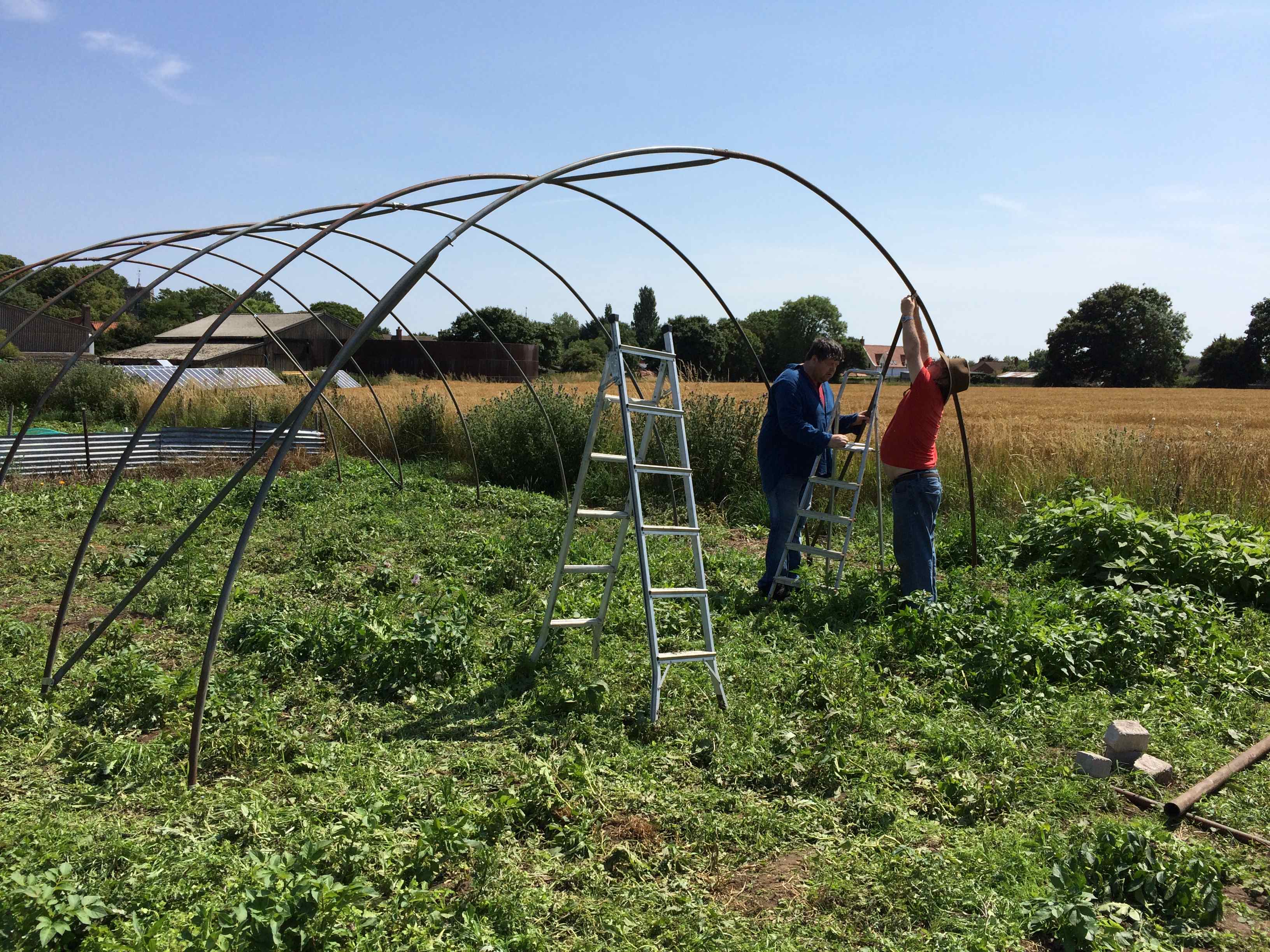
A hardy bunch turned out yesterday, for our last working day of 2015. The emphasis was on preparing for the winter and next year. We did a major tidy of the shed, including cleaning of many of the tools. The third polytunnel is just about ready for use. We still need to make one more door. We put straw down between the rows of strawberries, after thinning them.

We still had a good harvest, with stalks of brussels sprouts, lots of leeks, Jeruselum artichokes, various greens.

Our new member, (a second Gary) sells speciality coffee and has been bringing down a couple of flasks for our breaks, and Anya brought lovely little Christmas pies.

This slideshow requires JavaScript.

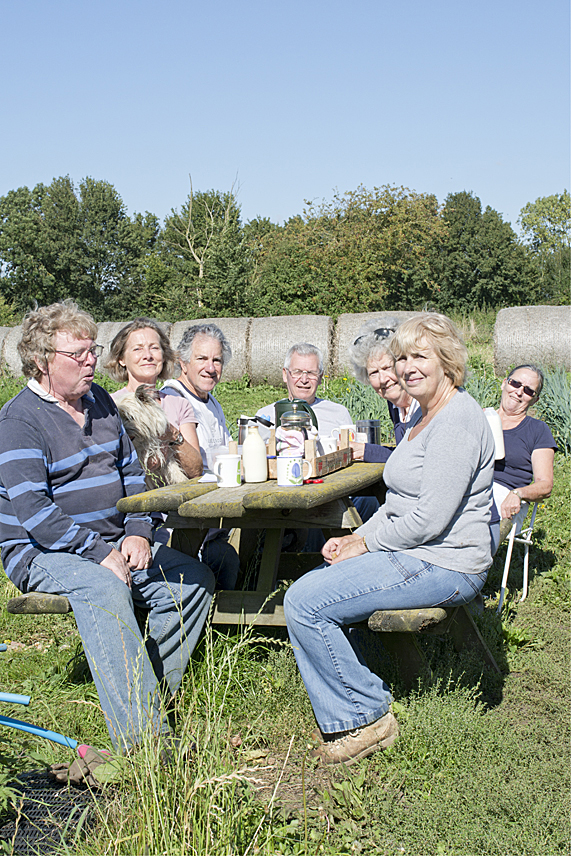
An important part

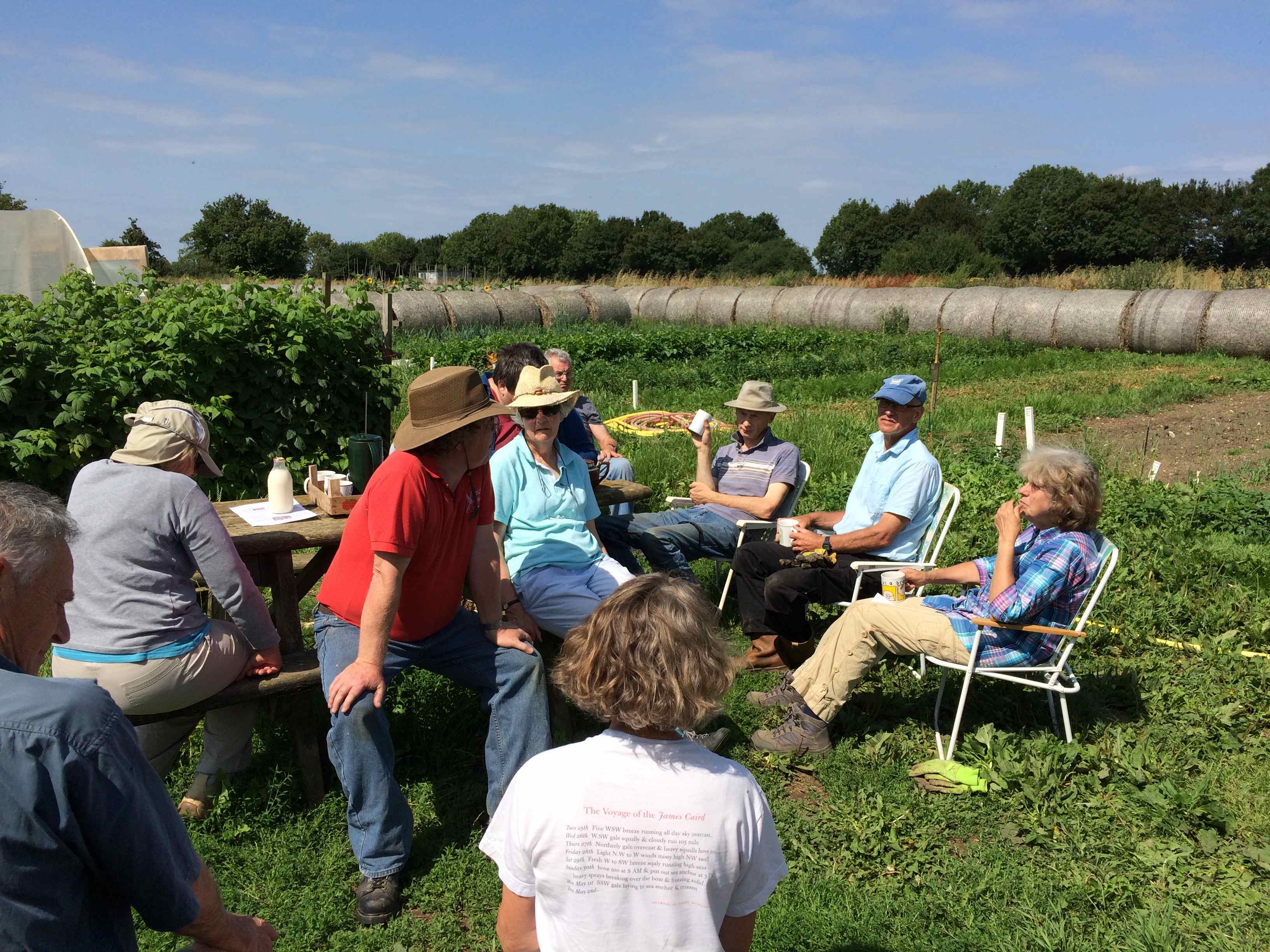
An important part of gardening is the tea/coffee break; a time to consider, discuss, plan and as here, enjoy the sunshine. 1dcf

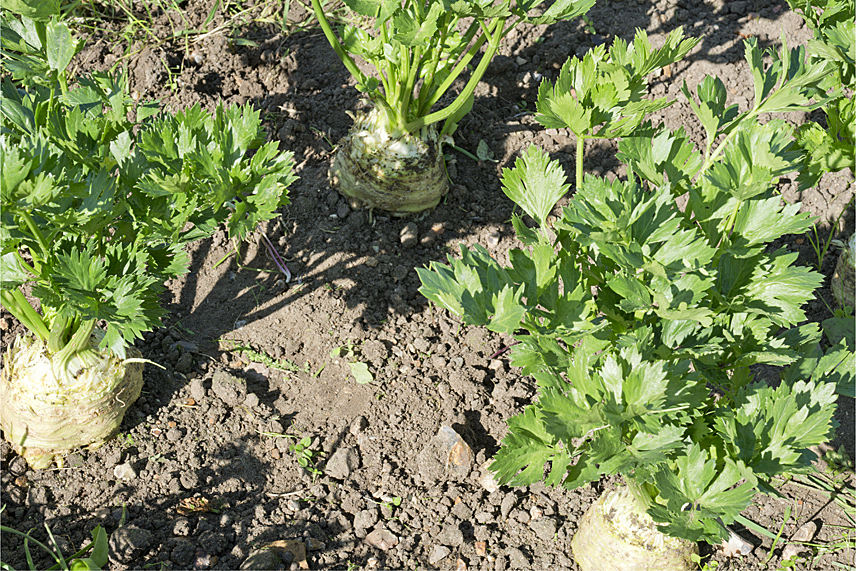
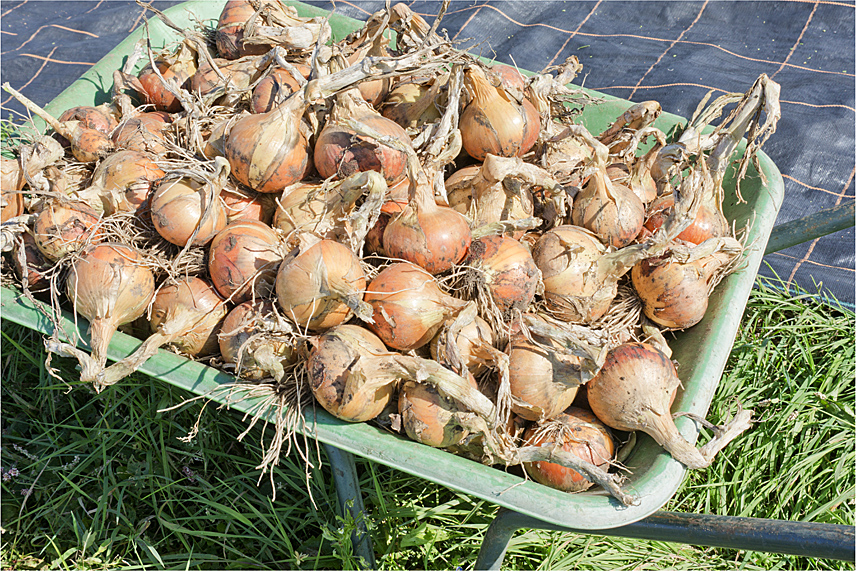
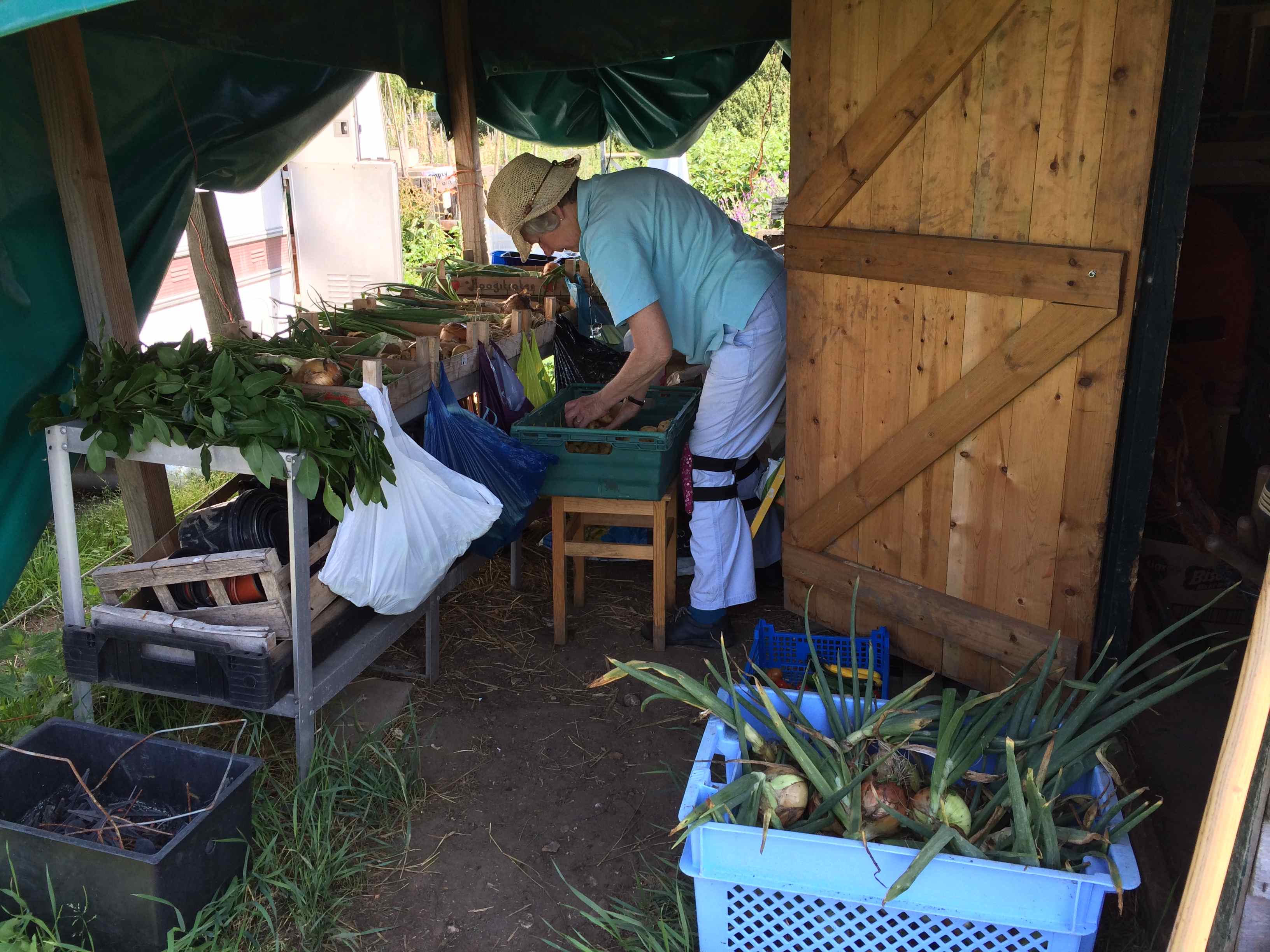
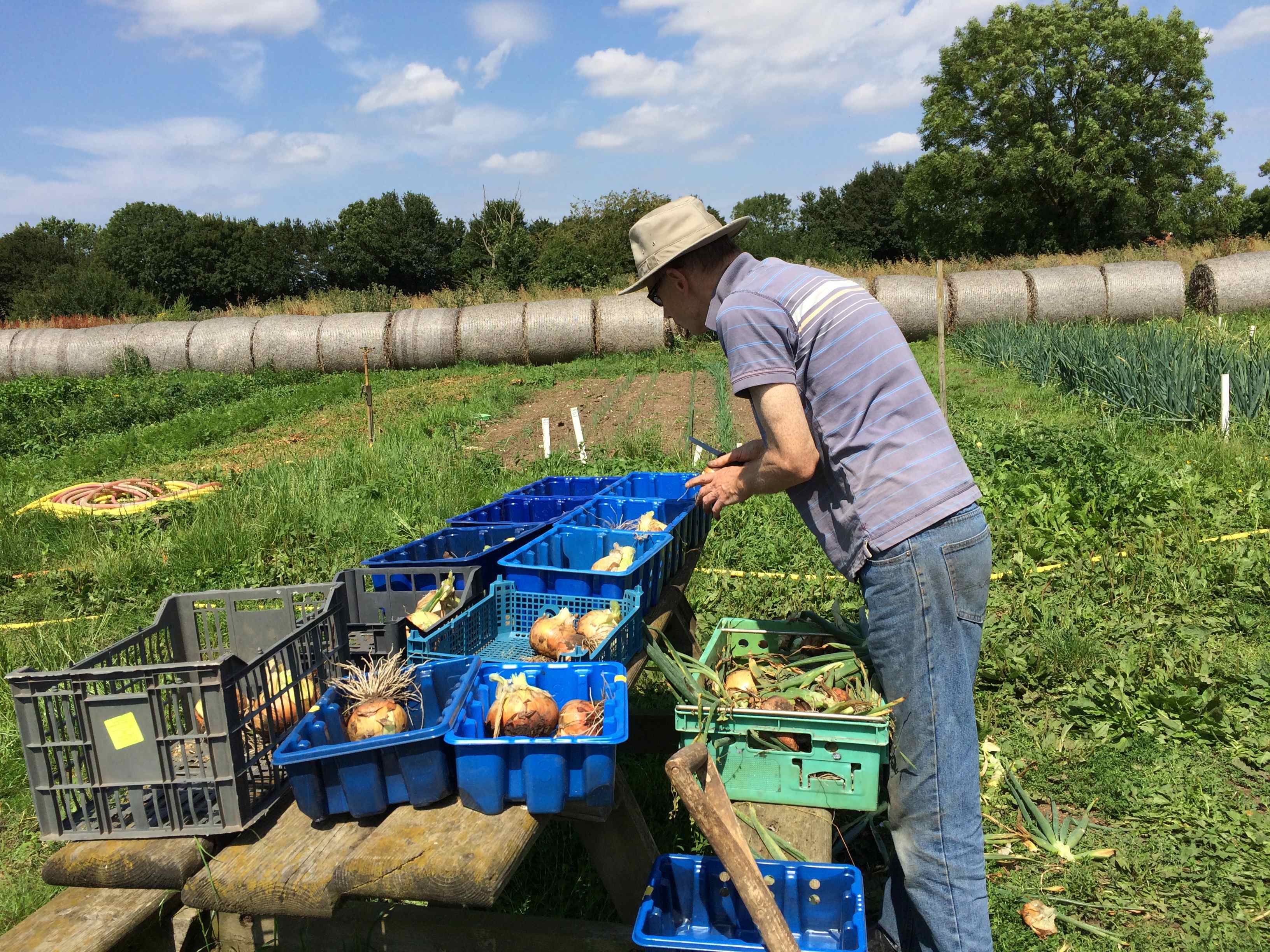
And just look at the produce, growing and harvested; super celeriac and enormous onions.

Calabrese growing at DCF

Celeriac growing at DCF

Wheelbarrow full of Sturon onions, produce of Diss Community Farm, September 2015.

Wheelbarrow full of Sturon onions, produce of Diss Community Farm, September 2015.

All hands sort out an emergency

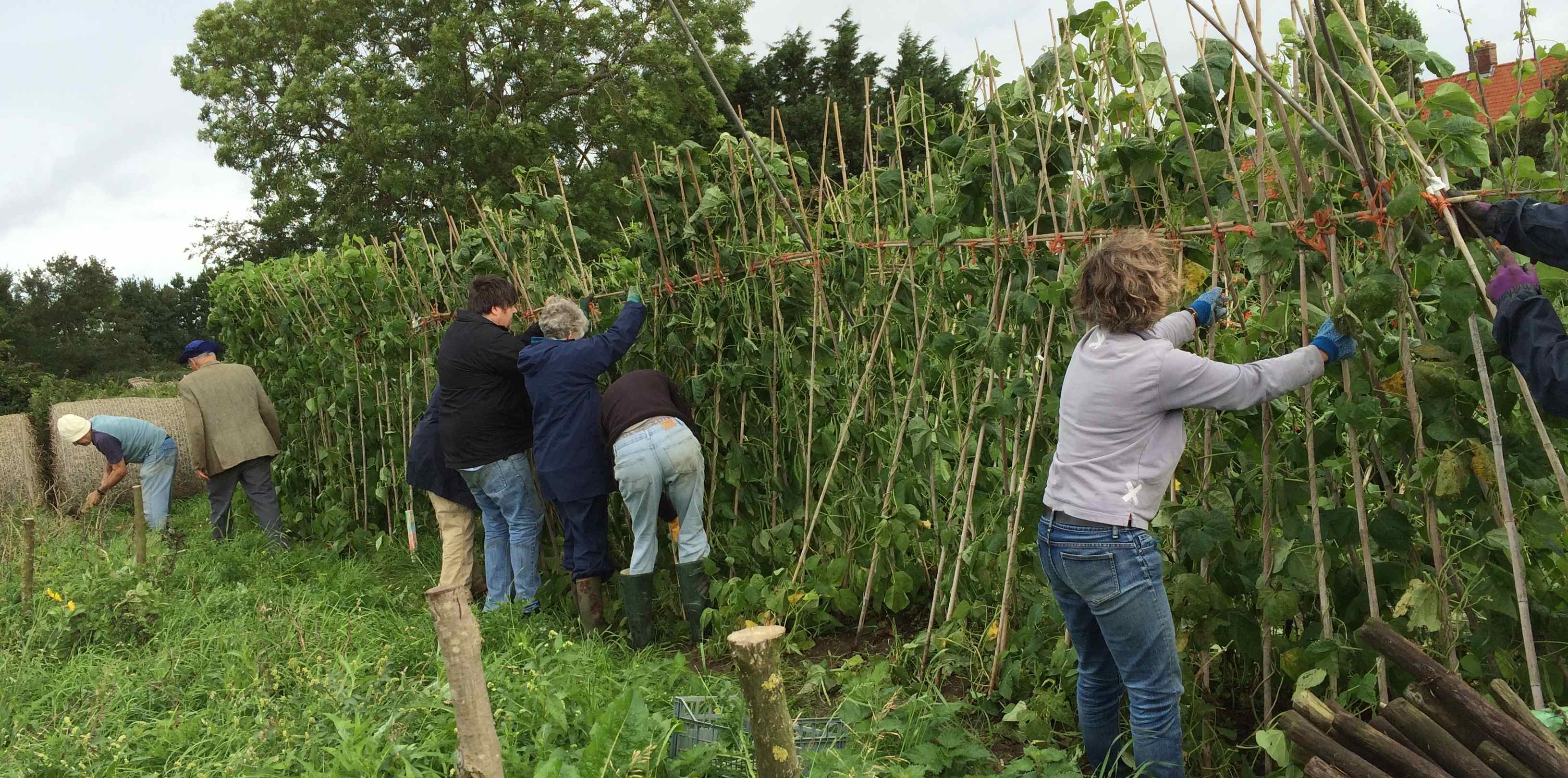
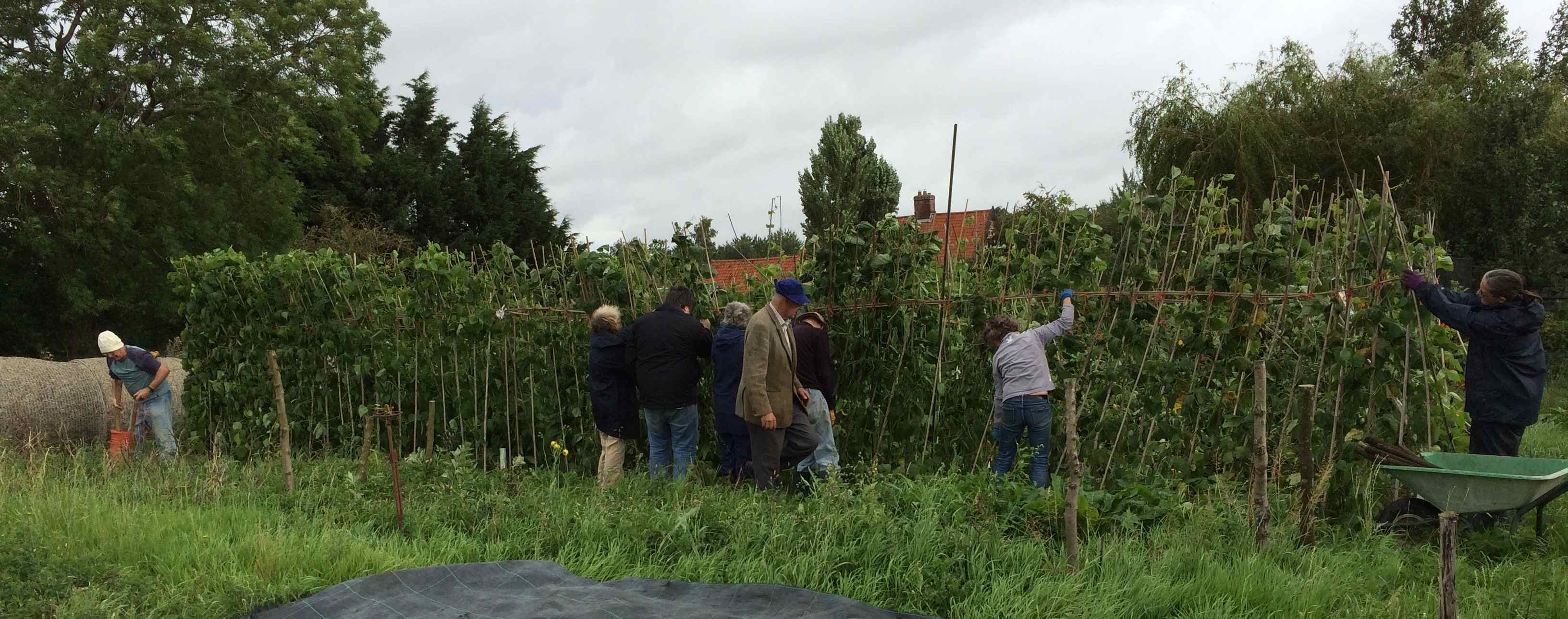
Yesterday was a day of freak weather in this area, and at about 4 pm a huge rainstorm and gust of wind blew down our rows of beans, heavily laden and ready for picking.

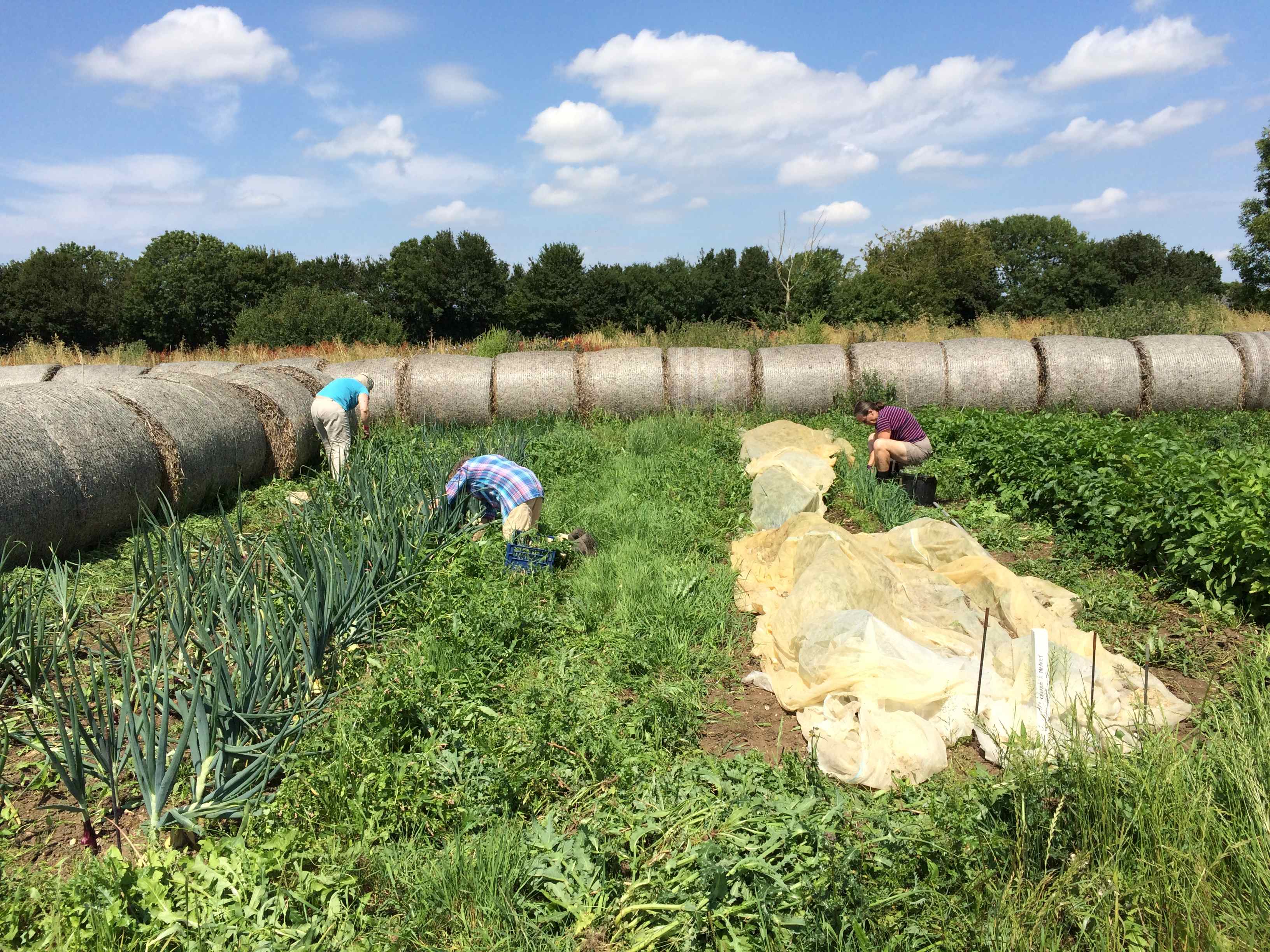
Today, at our work day, that was the main focus, and so we all worked together, raising the poles, putting in stakes and ropes to hold them, putting back those plants that had been ripped out of the ground.

We had a huge harvest of beans from the plants that had been damaged.

IMG_3027 IMG_3028

Site Update 14th May

Jobs done since 7th May
• Planted Hispi cabbage seedlings through mypex and covered with enviromesh
• Prepared seed beds for more turnip & swede sowings
• Sowed more carrots for succession
• Removed outer blades from rotovator and rotovated between rows of strawberries in area C16-E17
• Removed spent broccoli plants to compost
• Rotovated area C22-E22 for planting of brassicas
• Continued weeding of onions, garlic and Broad Beans
• Strimmed weeds around poly and path near caravan

ToDos
• Plant remaining Hispi cabbage seedlings in Polytunnel 1
• Clear straw from area A17-B17 and rotovate for salad leaves
• Erect poles for Runner and French Beans
• Sow more turnip and swede seeds in area C21-E21
• Sow leek seeds in prepared area C9-E9
• Rotovate area C23-E23 for planting of brassicas
• Plant expected Kale seedlings through mypex in area C22-E22
• Continue strimming dandelions, nettles and other weeds before they form seed heads
• Prepare for erection of new polytunnel frame

Harvested
• Broccoli tips
• Lettuce
• Salad leaves
• Chard
• Spinach

Monitoring
• Hydration of crops, particularly in polytunnels

Early April on the Farm

We’ve been through a long winter and have come out the other end in very good shape. Our harvest is relatively small this week, as we enter the ‘hungry gap’, but we are well prepared for the busy season. All is clear and tidy, with lots of beds prepared for planting, well dug and manured. The compost bins are well managed, and will be used mostly in the polytunnels. We have two now and have a larger third one coming soon.

This slideshow requires JavaScript.

Supermoon outshines meteor shower

Last week saw two interesting astronomical phenomena, a ‘supermoon’ and the peak of the annual Perseid meteor shower.

The moon’s orbit around the Earth is elliptical rather than circular, which means that sometimes it is closer to the Earth and sometimes further away. As a result, the distance between the moon and the Earth varies by about 238,000 miles. If the moon is at its closest to the Earth when it is full it is referred to as a ‘supermoon’, whereas a full moon occurring at the furthest point of its orbit is referred to as a ‘micro moon’.

A supermoon occurs, on average, every 13 months, and appears around 16% larger than a micro moon, and over 40% brighter. Last week’s supermoon was bigger and brighter than it has been for 20 years, and astronomers feared that it would reduce the number of shooting stars visible during the Perseid meteor shower.

A meteor is a particle, often no larger than a grain of sand, travelling at thousands of miles per hour through the Earth’s atmosphere and burning up in the process. It appears as a streak of light moving rapidly across the sky. The Perseid meteors originate from the comet Swift-Tuttle. Comets contain ice, which becomes gas as the comet approaches the sun, and the exploding jets of gas pull dust out of the comet into its orbit. As the Earth passes through the orbit, which happens at the same time each year, the dust produces a meteor shower.

The Perseid meteor shower appears every year from mid-July until late August, peaking at around 12 August when it can produce more than 80-100 shooting stars per hour. It is named after the constellation Perseus, from which the meteors appear to radiate. Perseus was a Greek hero who killed the one-eyed Gorgon, Medusa. Medusa’s head was covered in snakes in place of hair, and anyone who looked at her was turned to stone. So Perseus used a mirror to slay her without looking directly at her.

By the fifth century BC most of the constellations had become associated with ancient myths. However, around AD 150 the Roman Ptolemy produced a catalogue in which he grouped over a thousand stars into 48 constellations, including Perseus. The catalogue gave the latitude and longitude of each star, its brightness, and the constellation to which it belonged.