Two week’s later.

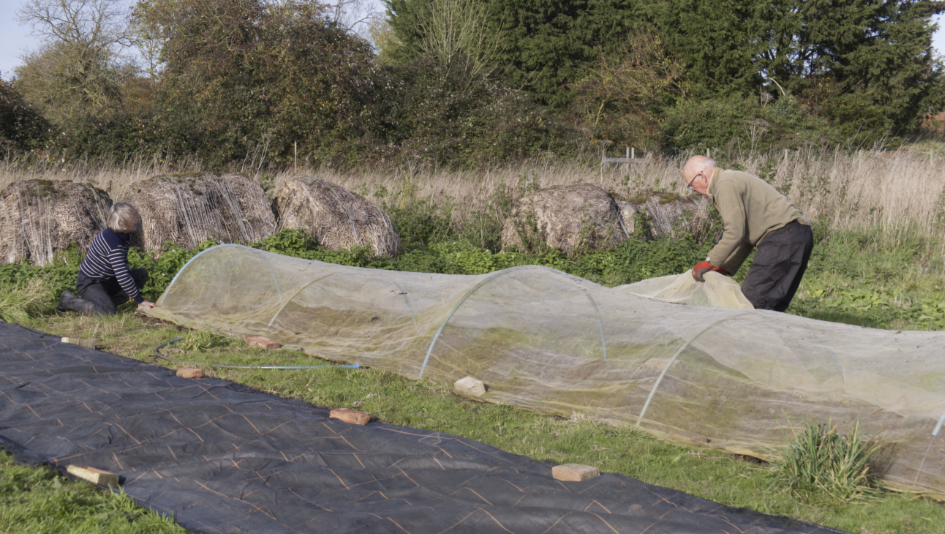
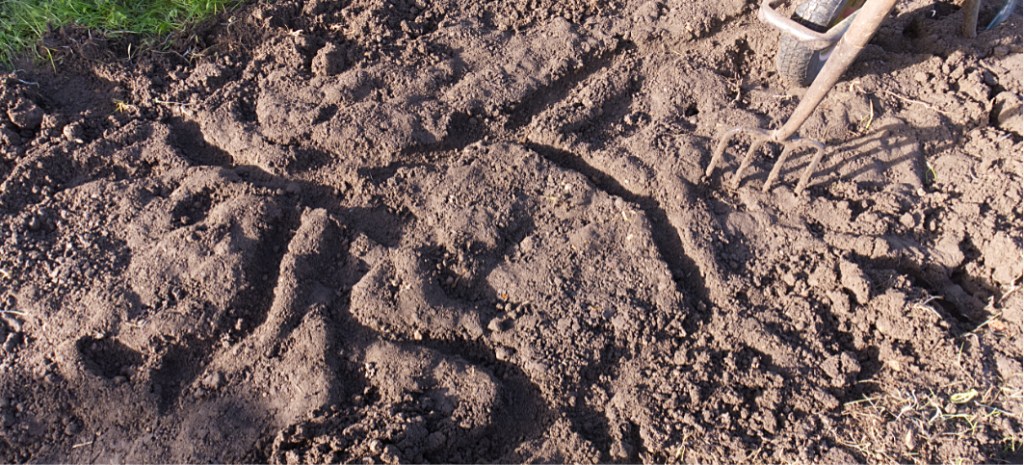
On removing the mypex sheet on one bed, rat runs were discovered, so the soil had to be redug.

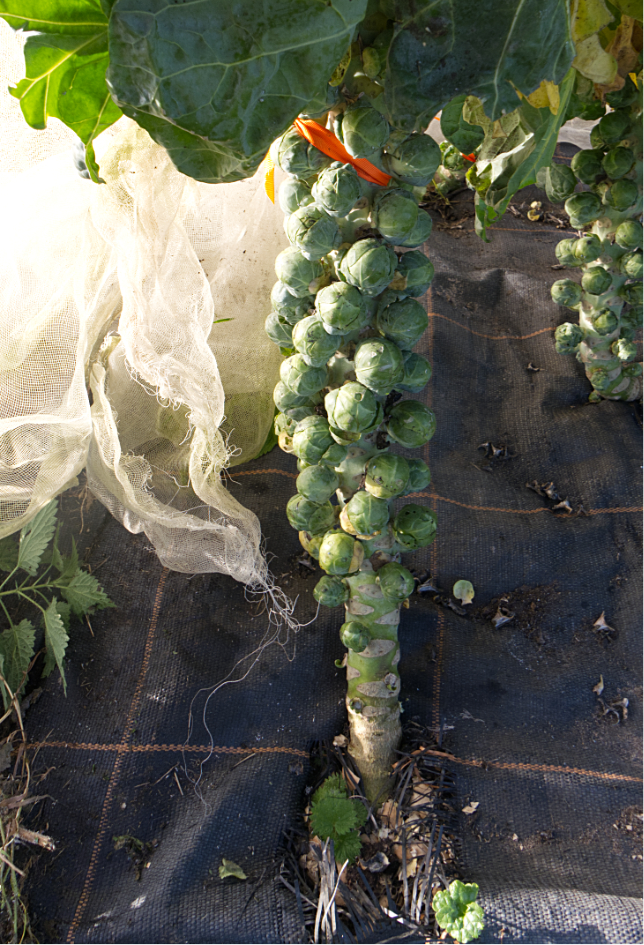
The brussels sprouts are plumping out ahead of time, as the stems are not usually ready until sharing at Christmas. Unfortunately the leaves are being attacked by mealy cabbage aphids. Possibly a massive garlic spray next week may help but …

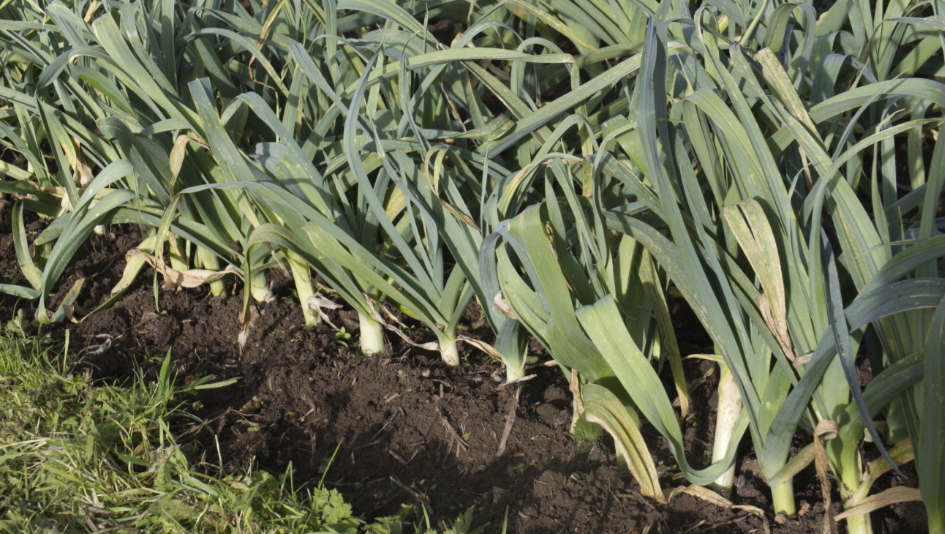
We harvested a few sizeable leeks but we’ll need to wait for the rest to mature.

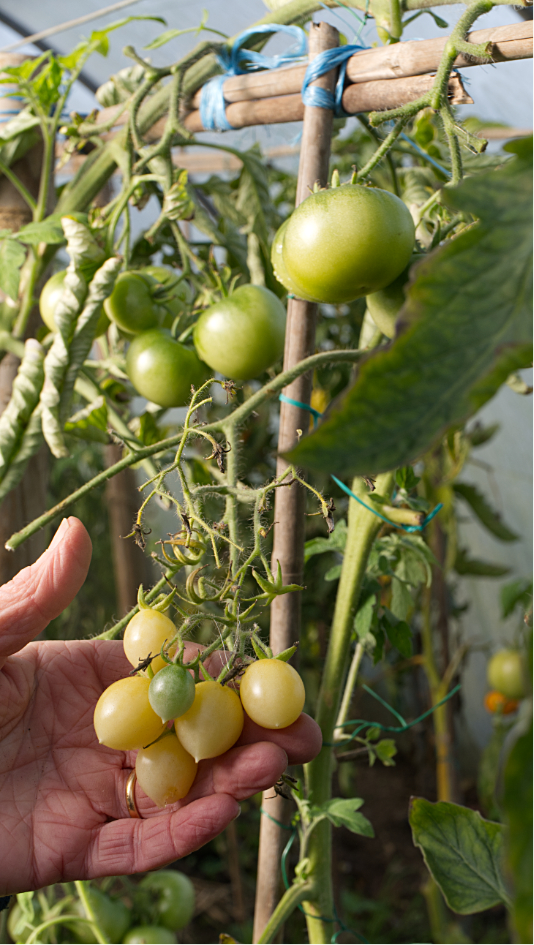
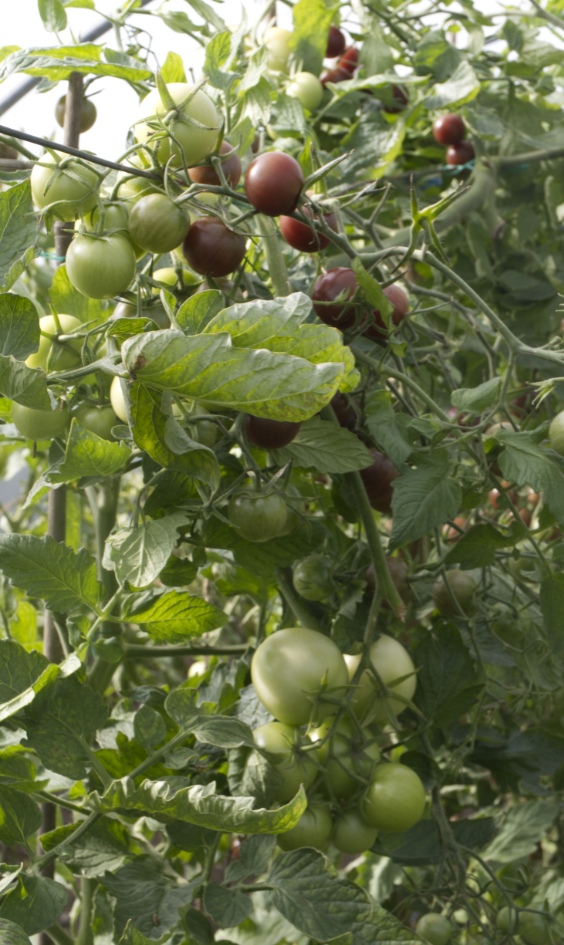
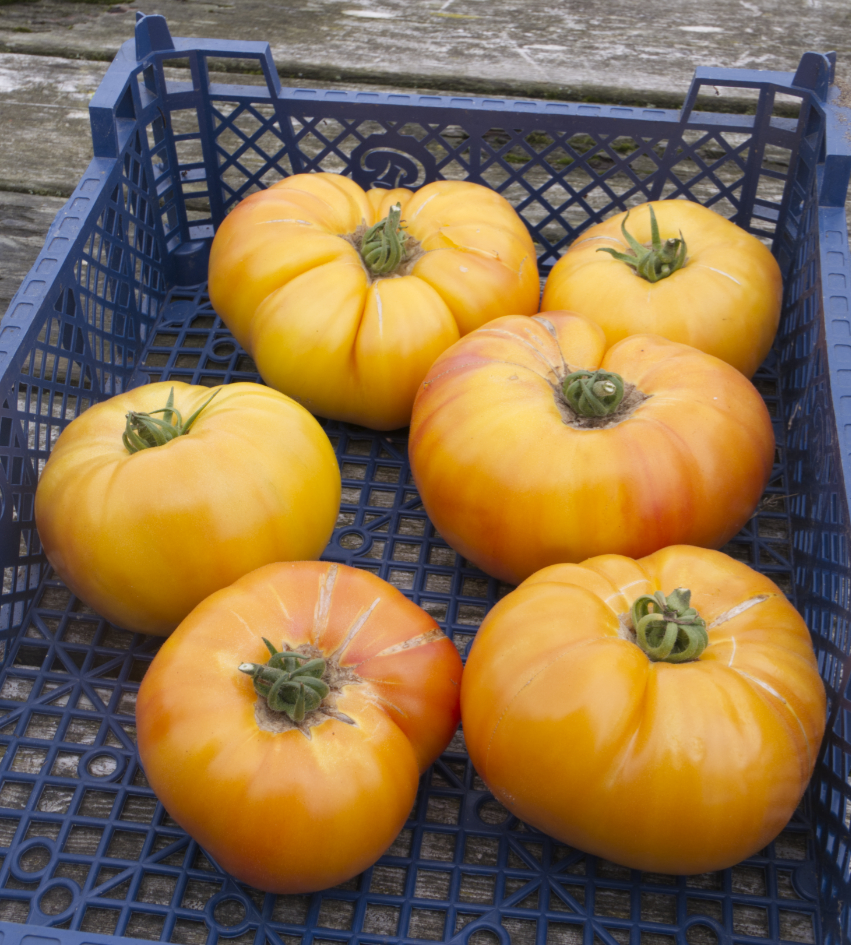
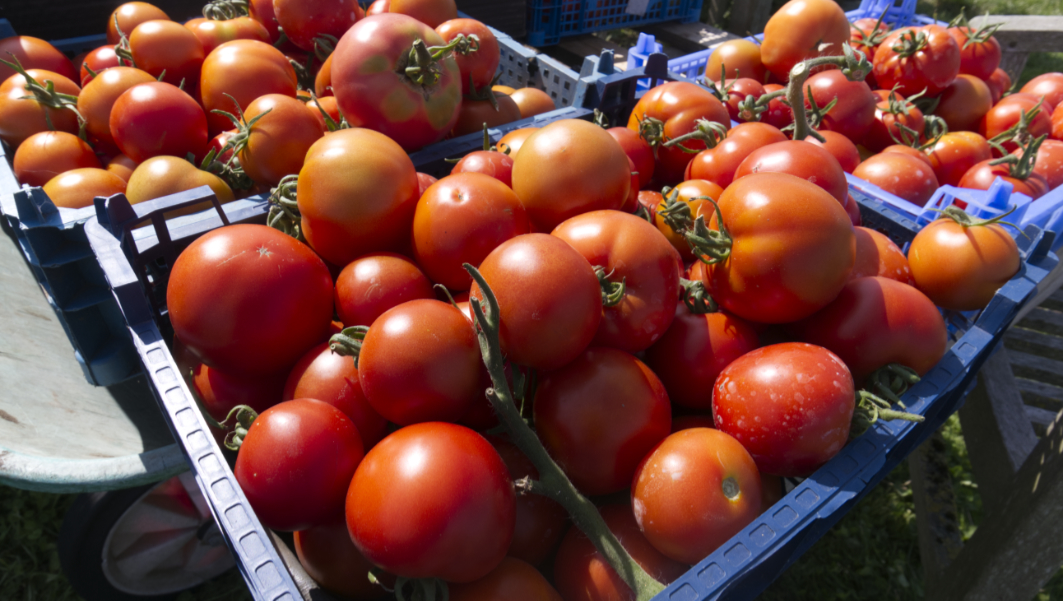
Tomatoes continue to ripen on the vines, while others have been hung in one of the polys, in order to remove the plants and clear the ground.
A week later.

As October draws to a close, the leeks are progressing well, garlic has been sown and enviromesh added, to prevent birds uncovering them.

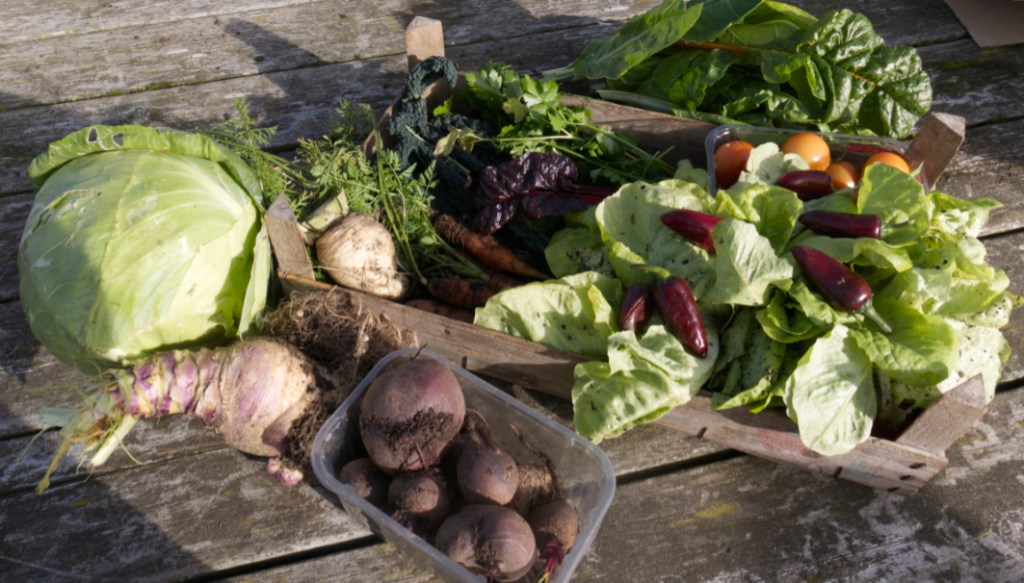
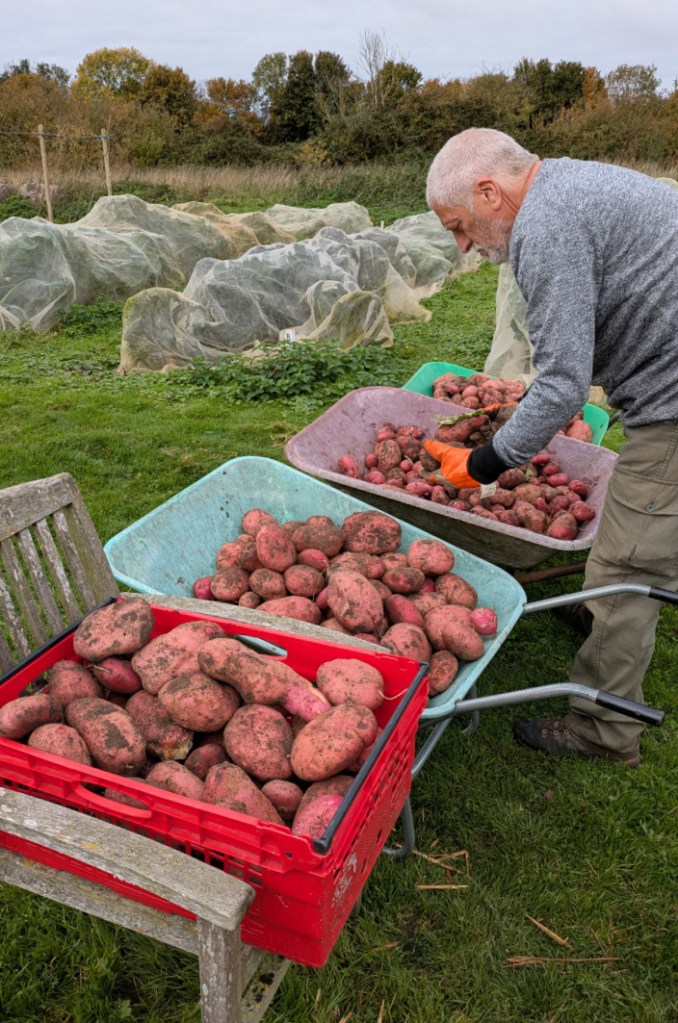
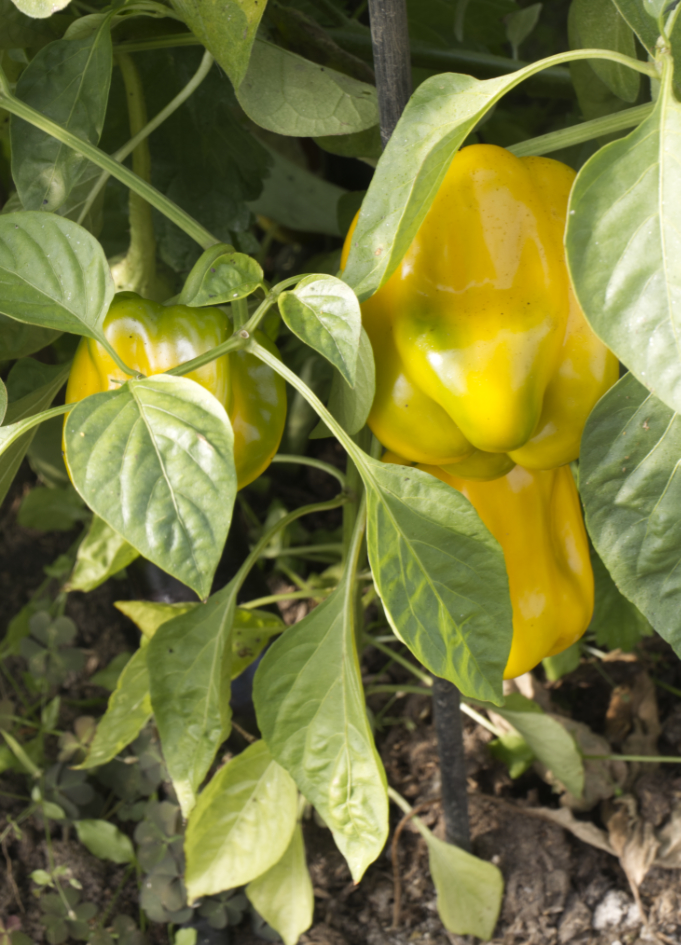
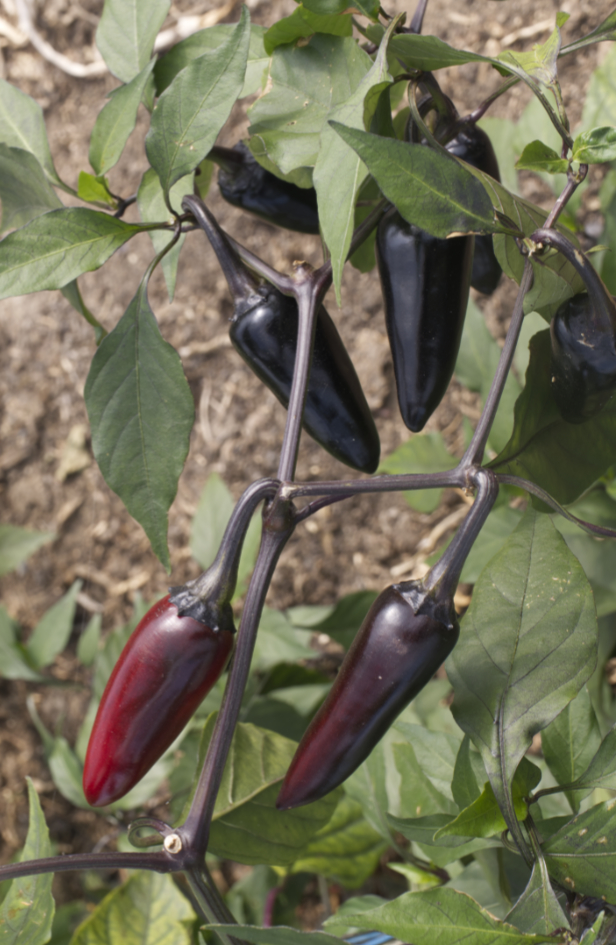
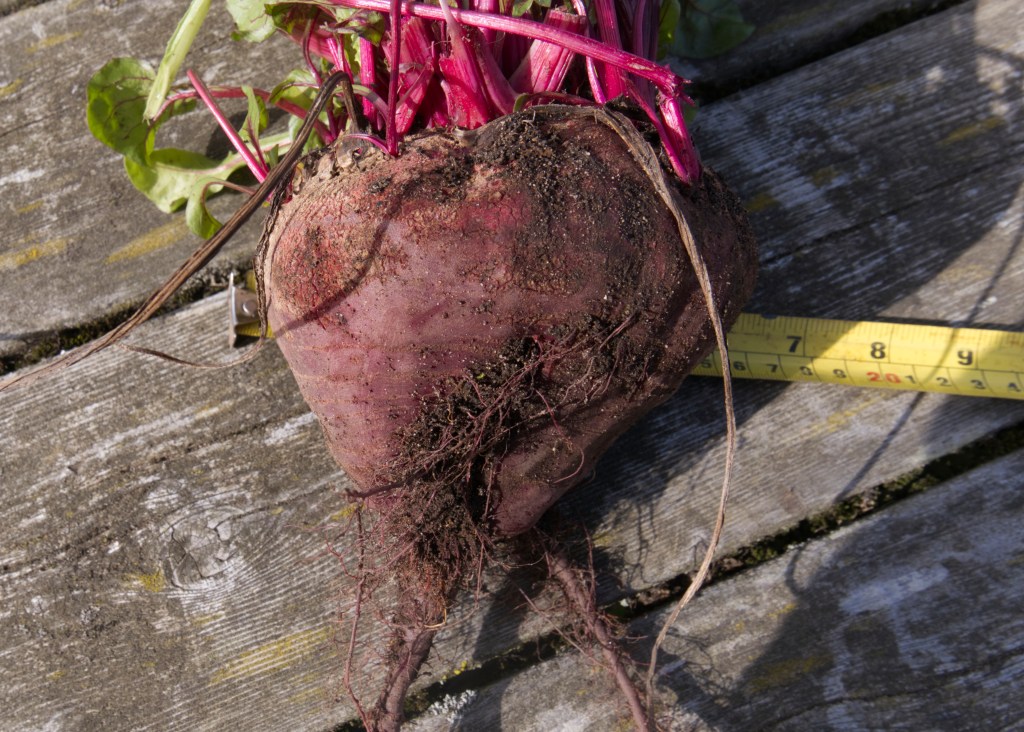
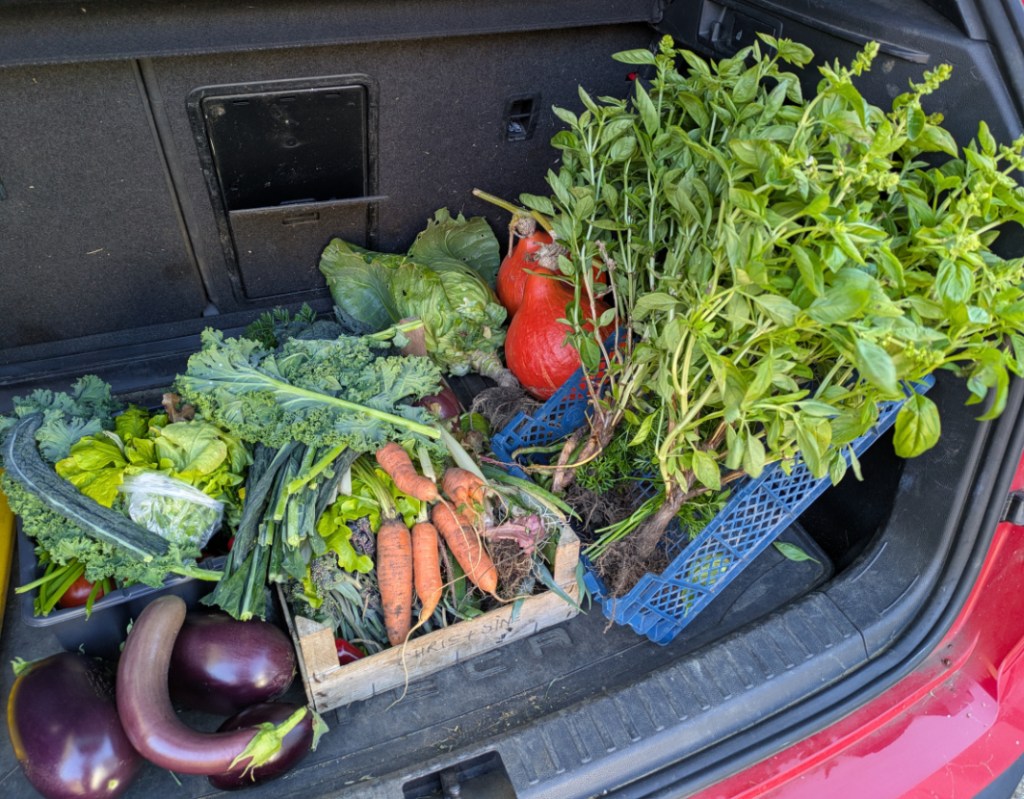
Harvesting continues to take up much time but the results are worth it; fresh beetroot (the last of the crop), swede (also the last of this year’s crop), cabbage, parsnips (the first to be harvested this year), carrots, cavalo nero, parsley, chard, spinach, tomatoes, chillies and lettuce.

23rd October

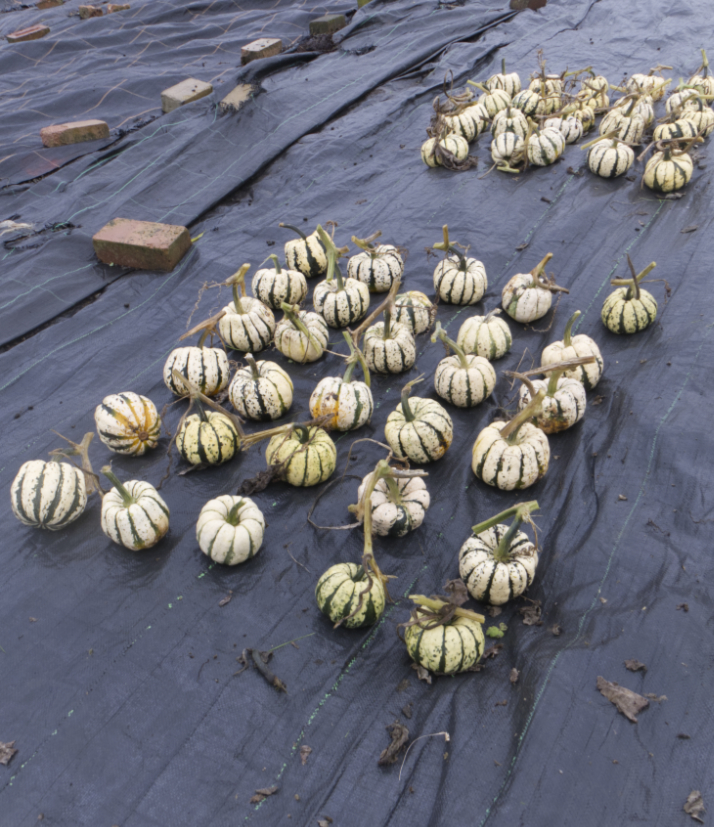
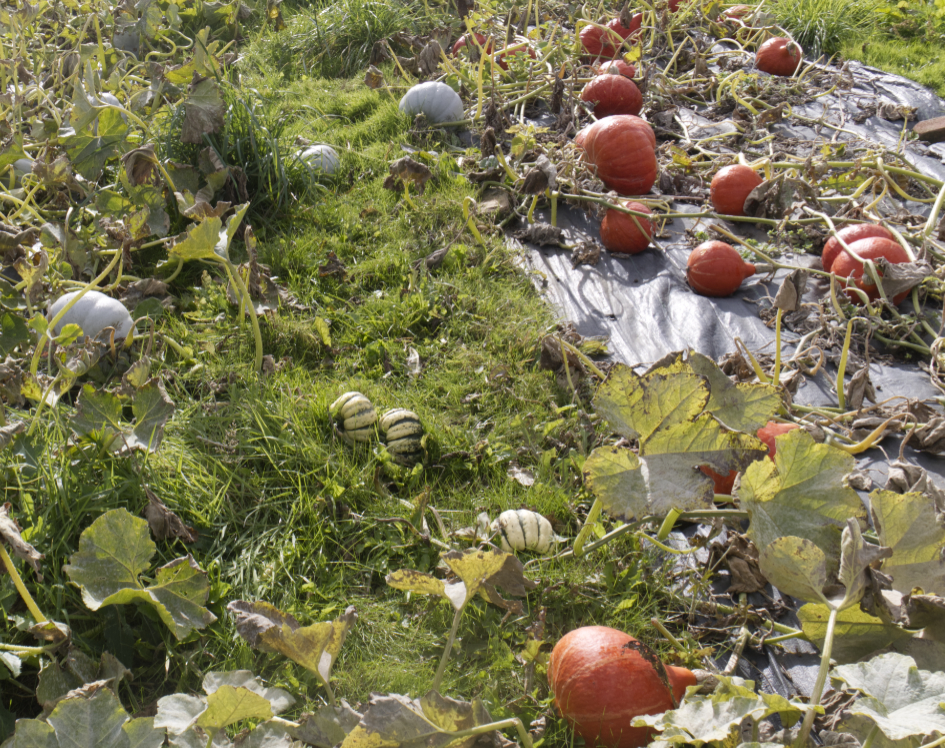
A rainy morning didn’t stop seven of us from turning up at the farm, which meant that among other jobs, the sweet dumpling squash were harvested, the first year we’ve grown them and a success.

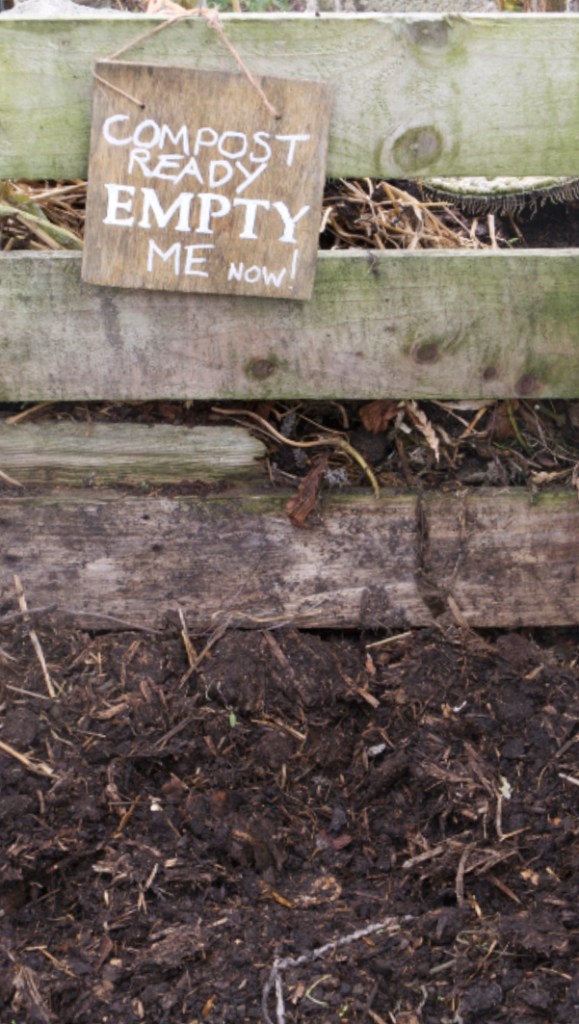
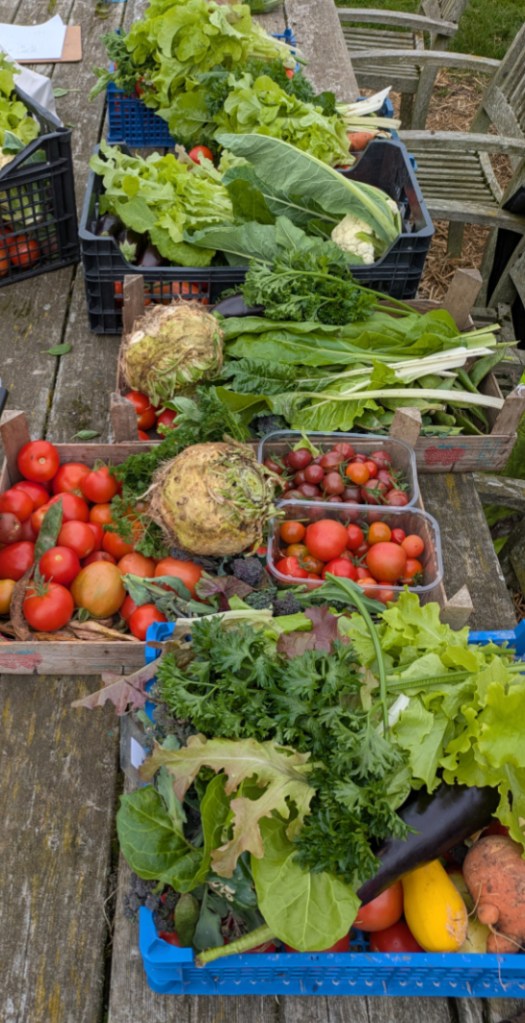
Homemade, well, allotment made compost helps with our endeavours and our take home box continues to look colourful 🙂

2nd October

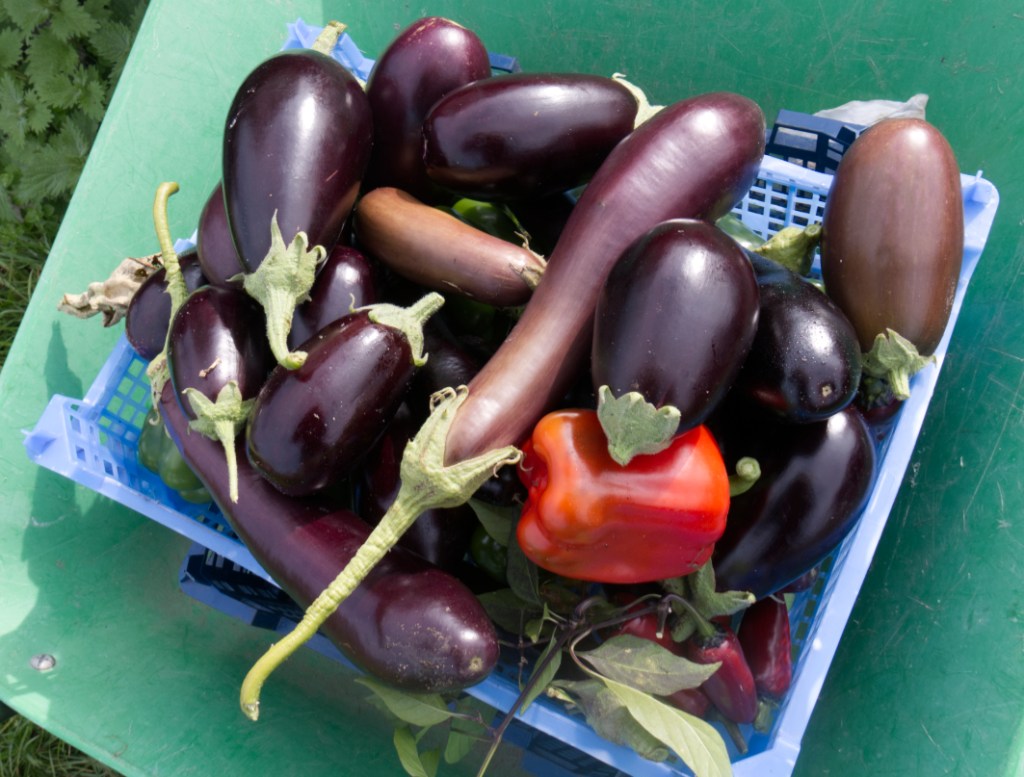
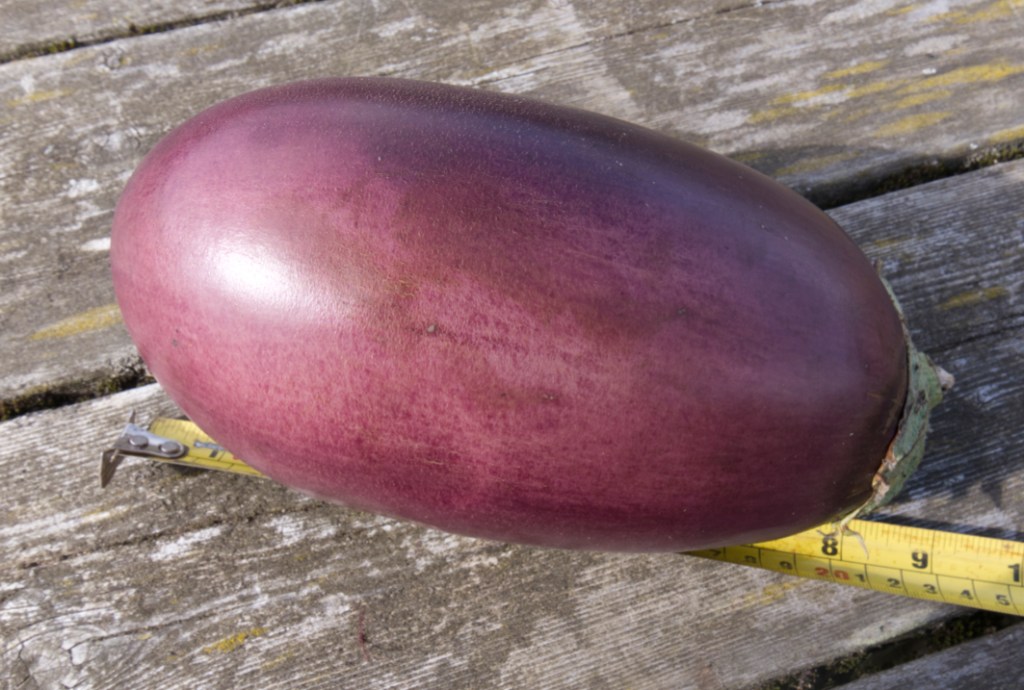
Another bumper harvest but I’m resisting adding more photos of “take home harvest boxes”. Well maybe just one; more aubergines.

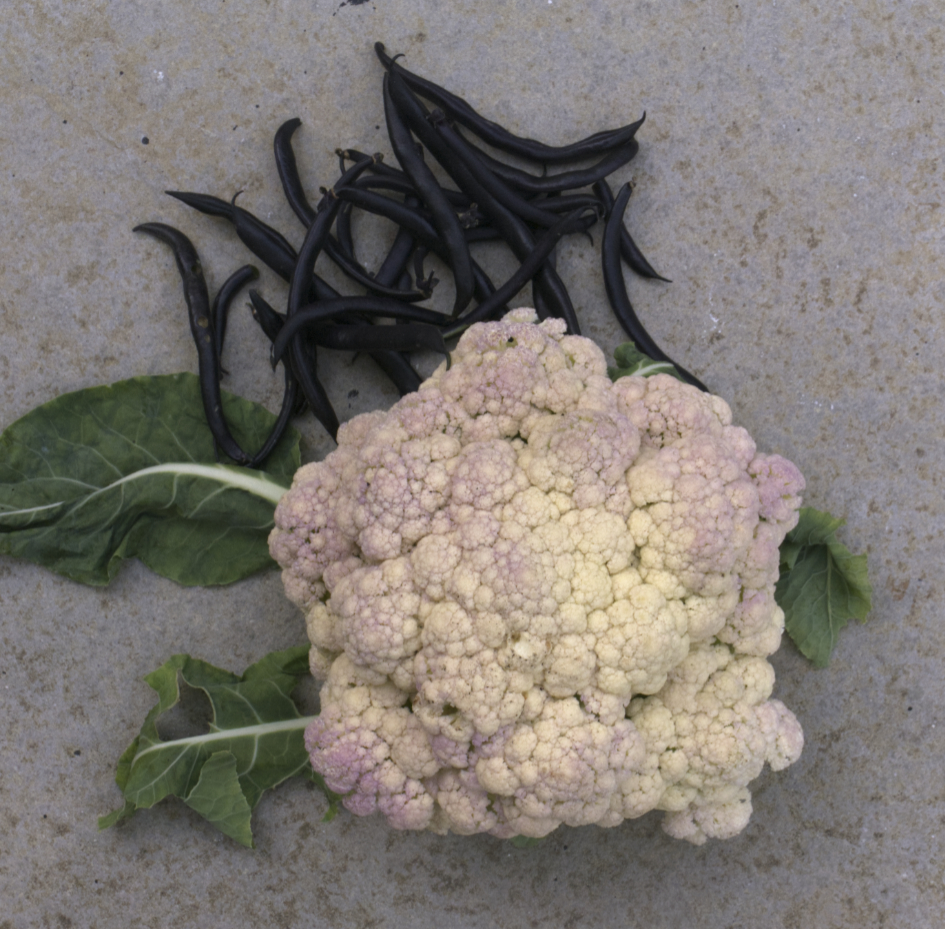
As we had an empty, prepared no-dig bed, we sowed dwarf french beans very late, at the end of July. They’ve grown so well, we had our first picking today.

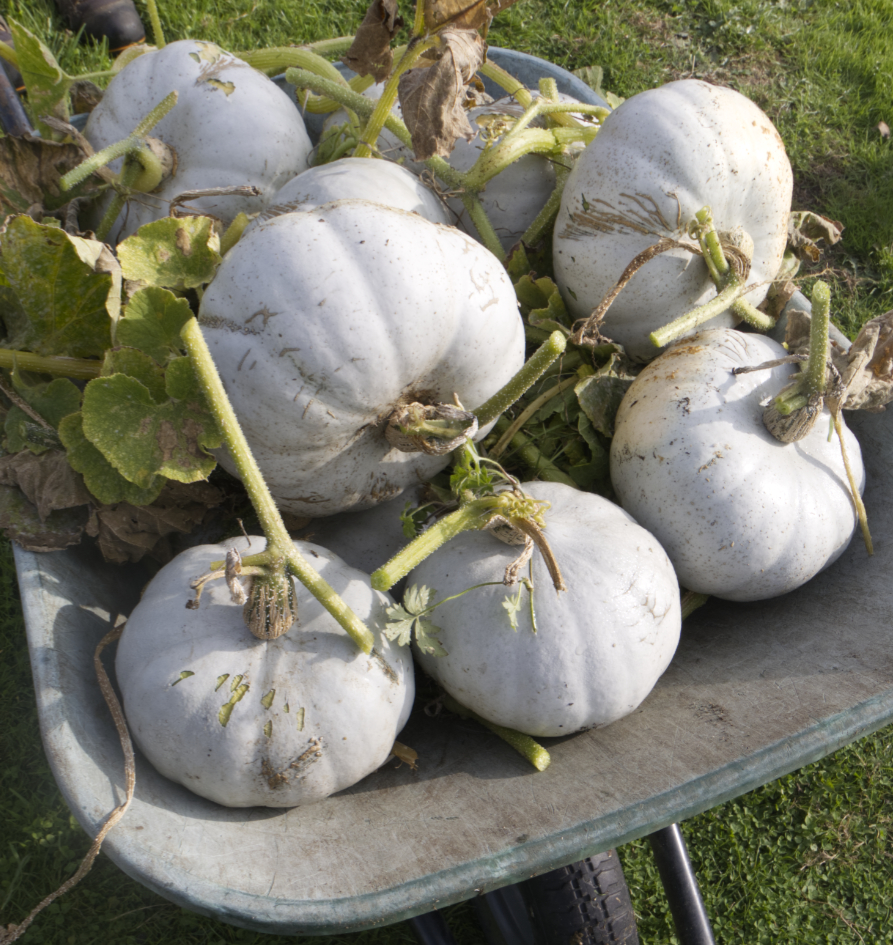
As it’s autumn, we added to our harvested veg, Crown Prince squash and cauliflower.

A week later

Weeding does take up many hours but at this time of year, ditto with the harvesting, ‘though who’s complaining.

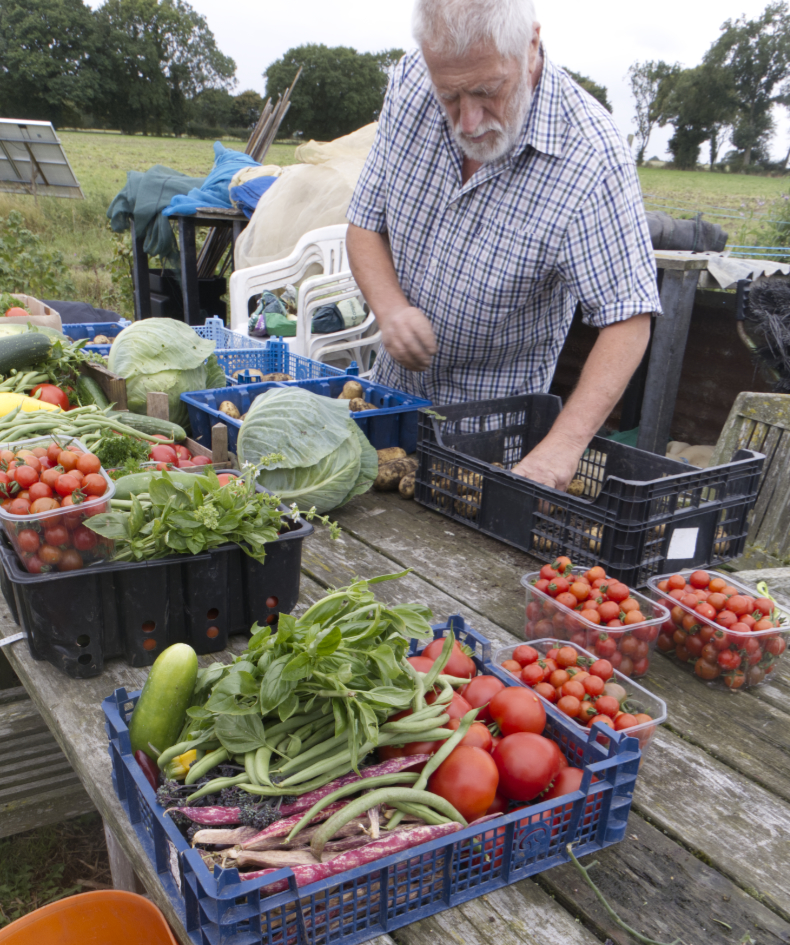
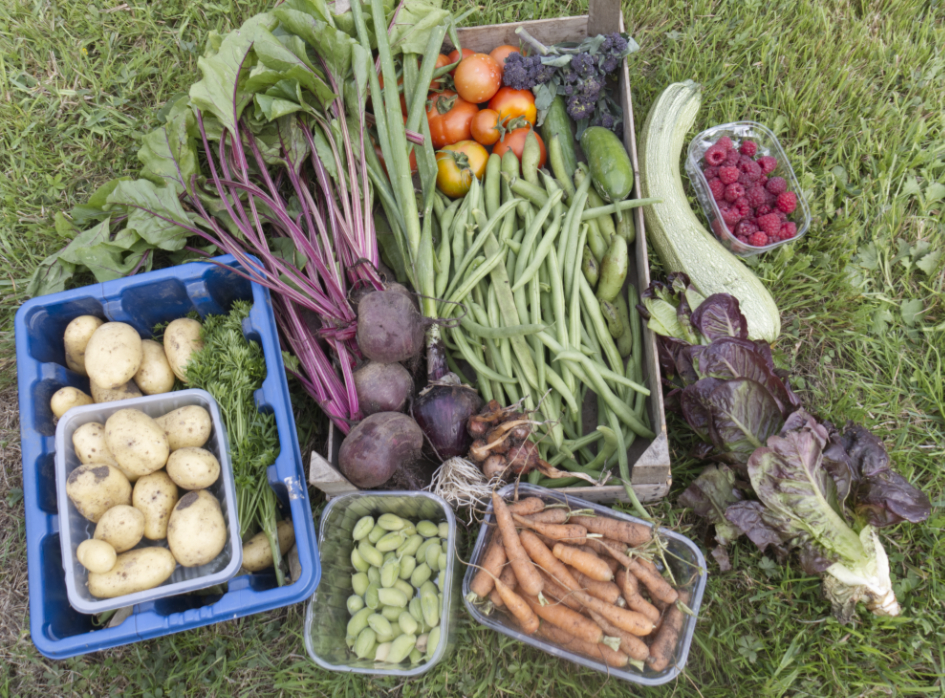
A bumper crop of tomatoes, cucumbers, marrows, chard, aubergine, beans (Cobra and Borlotta), beetroot, turnip, sweetcorn, basil, spring onions and raspberries.

Mid August 2025

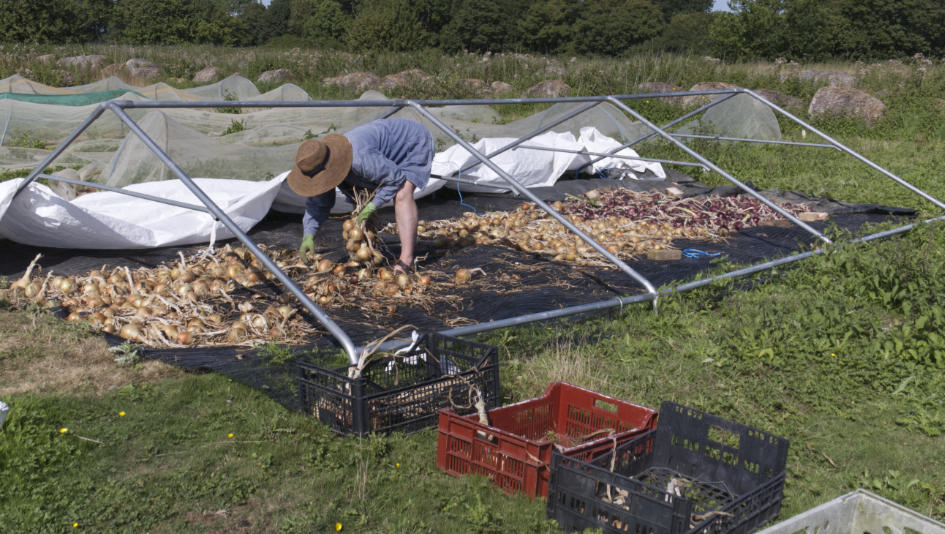
The cover over the onions has worked well, so now they are dry enough to be divided into shares.

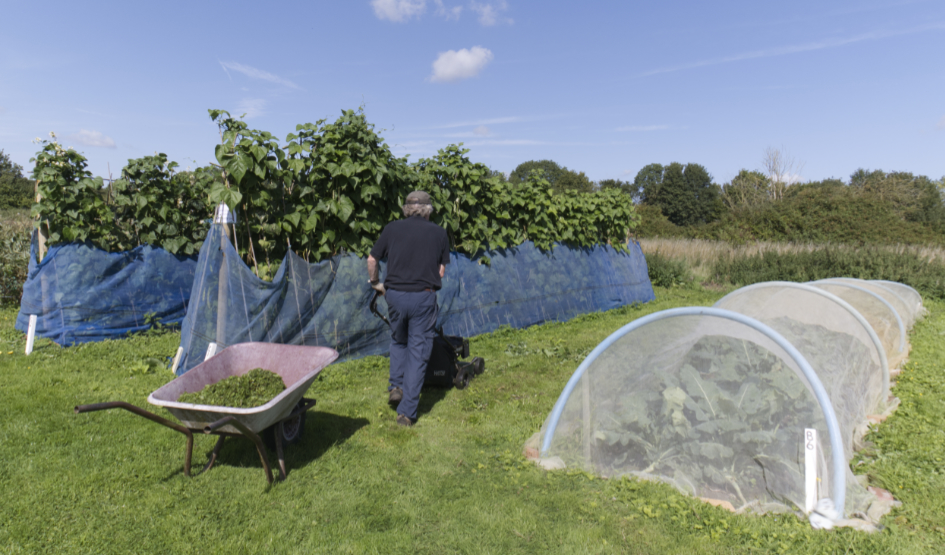
Obviously we need as much compost as we can make. Mowing grass and “good” weeds is helping fill experimental compost bins, layered with manure.

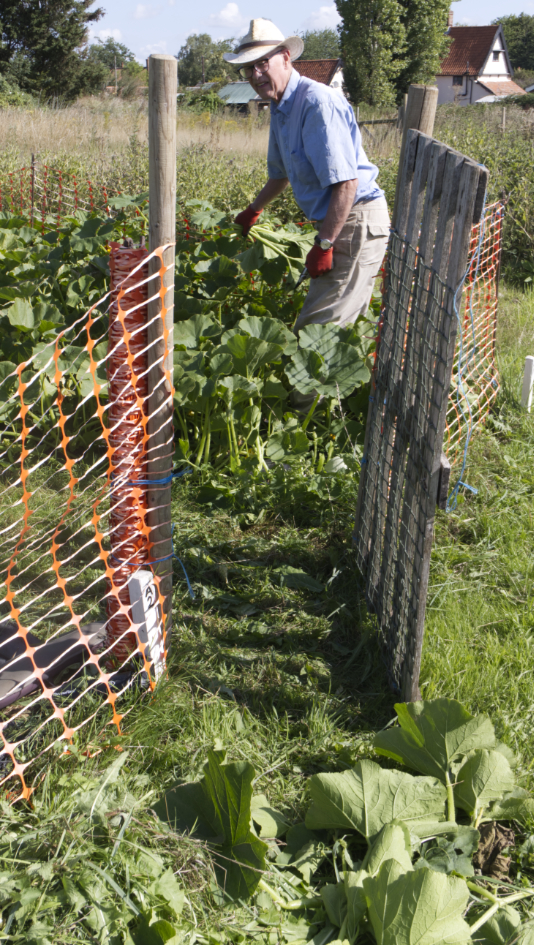
Weeding is a constant job as we use no harmful sprays, while tidying plants such as squash takes a fair amount of time.

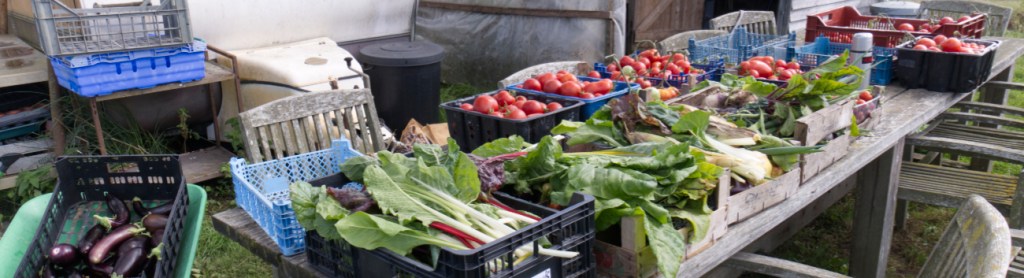
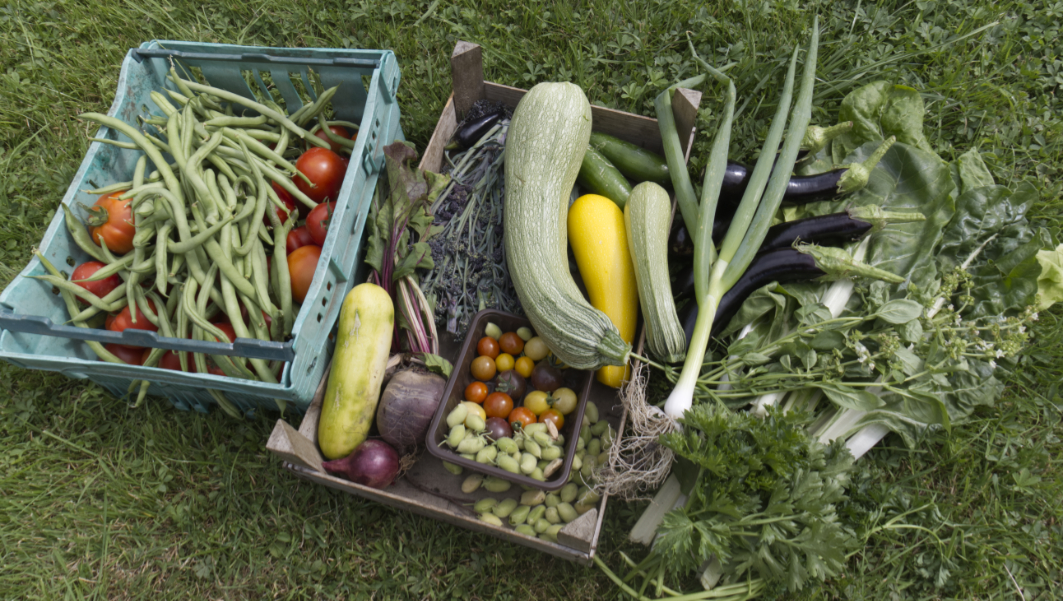
As usual (fortunately), tomato plants are cropping well and our harvested “take home” boxes are full to overflowing.